Five Elements Process Chart Slide Template Guide
You have probably sat through a presentation where the core message got buried under cluttered slides and disconnected diagrams. The Five Elements Process Chart Slide Template solves that exact problem. It gives you a clean, repeatable visual structure to walk an audience through any five-step workflow, strategic model, or layered concept without overwhelming them.
At its simplest, this is a pre-built slide design organized around five interconnected nodes, sections, or phases. Each element links visually to the next, which makes it easier to explain sequences like project lifecycles, marketing funnels, onboarding stages, or even personal goal-setting frameworks. But calling it just a slide template undersells what it actually does. It shapes how your audience processes what you say. The structure does part of the teaching for you.
What Exactly Does This Template Offer
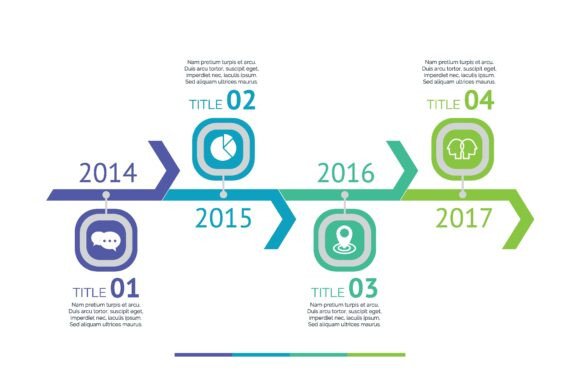
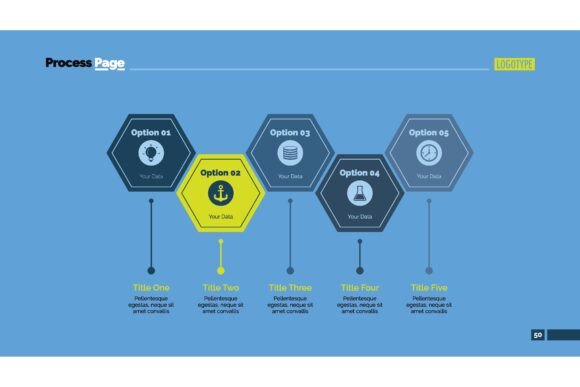
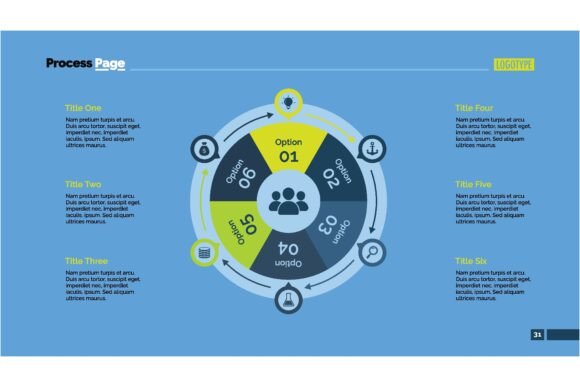
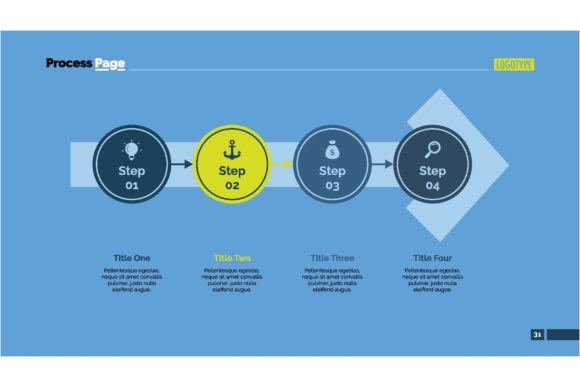
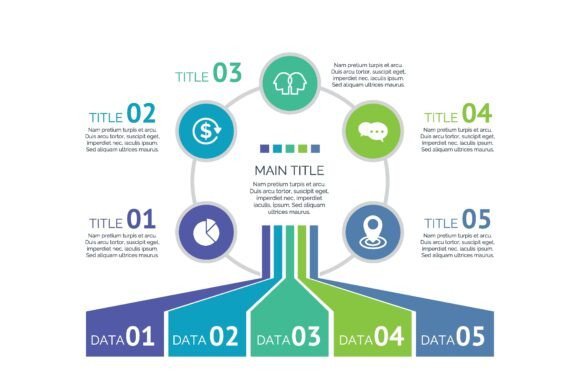
The template centers on a circular, linear, or radial layout where five distinct segments share equal visual weight. Each segment typically includes space for a header, a brief description, and an icon or graphic marker. The surrounding design often weaves these five parts together with arrows, dotted lines, or overlapping shapes, reinforcing the idea that each step feeds into the next.
Color coding plays a major role. Disciplined use of five distinct hues helps audiences mentally separate stages while still recognizing the unified whole. Some versions of the Five Elements Process Chart Slide Template include animation-ready layers, so you can reveal elements one at a time during a live talk. Others focus on print-friendly layouts for reports and handouts. Either way, the underlying principle remains steady: complexity broken into five digestible pieces feels manageable.
Why Five Elements Work on the Human Brain
Cognitive psychology offers a useful clue here. Most people comfortably hold between three and seven chunks of information in working memory. Five sits right in the sweet spot. It feels substantial enough to convey a full system yet compact enough not to cause mental fatigue. When you present a business model, a creative process, or a learning module using five clearly defined buckets, your audience stays with you instead of zoning out.
This template leverages that neurological reality without requiring you to explain the science. The layout simply feels intuitive. Stakeholders scan the slide and instantly grasp that they are looking at a sequence, a cycle, or a set of equally important pillars.
Different Audiences, Different Priorities
Not everyone looks at a process chart through the same lens. A freelance designer evaluating this template cares about customization and aesthetic flexibility. A small business owner wants to know whether it will save them hours of fiddling with shapes in PowerPoint or Google Slides. An educator might ask if the design supports clear hierarchy and student comprehension. A marketing manager thinks about brand consistency and whether the colors can be swapped without breaking the layout. A startup founder weighs speed against polish as they prepare an investor update.
All of these perspectives are valid, and the Five Elements Process Chart Slide Template serves them differently. Let us walk through several real-world scenarios to show how varied user types extract value from the same core asset.
The First-Time Slide Creator
If you are new to building presentations and feel intimidated by blank slides, this template acts as a scaffold. You do not need to invent a structure from scratch. The five slots prompt you to define what matters at each stage. For a beginner mapping out a customer journey, the template might hold these labels: Awareness, Consideration, Decision, Purchase, Advocacy. Simply filling in bullet points under each header turns vague ideas into a coherent slide deck.
Beginners tend to prioritize ease of use and speed. They want something that works right away without a steep learning curve. A well-built five element template delivers exactly that. You open it, type your content, adjust a few colors, and you are done. The learning happens through doing, and the finished product looks polished enough to boost confidence.
The Experienced Consultant or Strategist
Seasoned professionals often have strong opinions about visual hierarchy and data storytelling. For them, a template is not a crutch. It is a starting point they will modify heavily. What they value most is flexibility and reliability. They might need to repurpose the same five element chart across proposals, quarterly business reviews, and workshop facilitation decks. The underlying grid must hold up under edits. Resize a shape, change a font, swap an icon, and the alignment should remain intact.
Consider a management consultant presenting a strategic planning model. They might label the five nodes as Assess, Define, Plan, Execute, Measure. Each node needs space for sub-bullets, data callouts, and perhaps a small chart or metric. If the Five Elements Process Chart Slide Template includes layered vector elements, the consultant can easily adapt the depth of detail without redrawing anything. This saves hours over a busy quarter.
The Creative Entrepreneur or Blogger
Visual identity carries disproportionate weight for creators. A blogger illustrating a content planning framework or a course creator outlining a module sequence wants the chart to feel like an extension of their brand. Custom color palettes, stylized icons, and playful typography matter. This group judges a template by how easily it bends to their aesthetic. They may also care about whether the design holds up on social media previews since they often repurpose slides as Instagram carousels or Pinterest pins.
Imagine a wellness coach using the five elements to illustrate a holistic health model: Nutrition, Movement, Sleep, Mindset, Connection. The visual tone should feel warm, inviting, and aligned with the coach's brand. A template with editable vector icons and non-destructive color fills makes that personalization straightforward. The coach focuses on the message while the design quietly supports it.
The Educator or Trainer
Teachers and corporate trainers think about clarity and retention. They need learners to not only understand the five stages during the session but remember them weeks later. A process chart used in a training module about problem-solving might break the skill into Identify, Analyze, Brainstorm, Select, Implement. Each element deserves its own slide during instruction, then the full chart reappears as a summary.
Educators also value consistency across lessons. If every module opens with a familiar five element structure, students internalize the rhythm and focus mental energy on content rather than navigation. The template becomes a cognitive shortcut. Printable versions also help for classroom handouts where digital animation is not an option.
The Small Business Owner and Marketer
Small business owners often wear many hats and have limited time to craft presentations. They might need a slide deck for a local networking event on a Tuesday and a client proposal on Thursday. The Five Elements Process Chart Slide Template offers a reusable framework. One day it explains the company's service delivery process. The next day it outlines a marketing funnel for a seasonal campaign.
Marketing professionals, meanwhile, lean heavily on data visualization and messaging clarity. A campaign strategy slide might highlight Research, Positioning, Creative, Distribution, Optimization as the five pillars. Marketers evaluate templates based on commercial value and presentation impact. Does the design help the audience remember the campaign's architecture? Does it look credible to a client or executive team? When the answer is yes, the template earns its place in the toolkit.
Practical Scenarios Where the Template Shines
Abstract descriptions only go so far. Here are concrete examples of how different people put this slide to work:
- Project Kickoff Meetings: A project manager uses the five elements to outline Initiation, Planning, Execution, Monitoring, and Closure. Each segment gets a one-sentence summary and a RACI assignment.
- Sales Decks: A sales leader maps the buyer journey across five stages, adding conversion metrics and pain points under each heading.
- Personal Productivity: A freelancer builds a self-management wheel with Plan, Focus, Create, Review, Rest as the five spokes. It works as both a thinking tool and a client-facing explainer.
- Academic Presentations: A graduate student visualizes their research methodology in five phases, helping committee members quickly grasp the study design.
- Nonprofit Proposals: A grant writer frames a community program around five outcome areas, using the chart to show interconnectivity and logic flow.
Choosing a Template That Matches Your Goals
Not all five element templates are built with equal care. Before downloading or purchasing, ask yourself a few practical questions. Does the file format work with your preferred software, whether that is PowerPoint, Google Slides, Keynote, or Canva? Are the design elements fully editable, or are some components locked? Can you change colors globally using theme settings, or must you recolor each shape manually? Does the template offer both light and dark background variants for different presentation environments?
Also consider long-term usefulness. A template you use once for a single quarterly report delivers okay value, but one you repeatedly adapt across projects becomes a genuine asset. Look for designs that feel neutral enough to fit multiple contexts yet distinctive enough to avoid looking generic.
Blending Creativity With Structure
There is a common worry that using a template stifles originality. In practice, the opposite often proves true. When the structural decision of "how many segments and how they connect" is handled for you, mental bandwidth frees up for what you fill those segments with. Your stories, your data, your examples get more attention. The framework recedes into the background and lets your content do the heavy lifting.
Creators who customize color, typography, and iconography still inject plenty of personality. The difference is they start from a proven layout instead of a blank canvas. For many people, that small head start makes the gap between "I should create a presentation" and actually creating one much smaller.
Building Your Own Five Element Flow
Even with a pre-built Five Elements Process Chart Slide Template, the thinking you bring matters enormously. Start by defining what five stages truly represent your idea. Resist the urge to squeeze six concepts into five buckets or to pad three stages with filler. The template works best when the content genuinely fits a five-part structure. If your topic naturally breaks into four or six parts, consider whether a slight reframe brings it into alignment or whether a different template layout would serve you better.
Once your five stages are clear, write concise headers. Use active language. Instead of "Step Three: Implementation Considerations," try "Execute the Plan." Short, punchy labels scan faster and stick longer. Under each header, add the minimum supporting detail that moves understanding forward. White space is your friend. Overloading the chart with text defeats its purpose.
The Quiet Power of Visual Consistency
Audiences may not consciously notice when a presentation uses consistent visual logic across slides, but they feel the difference. The Five Elements Process Chart Slide Template promotes a rhythm. When someone sees the same five-segment layout appear for different topics within a deck, their brain stops reprocessing the structure and focuses entirely on the new content. This subtle reduction in cognitive load makes you look more prepared and polished, whether you are pitching to investors or teaching a weekend workshop.
Repetition of form also builds credibility. The design language communicates that you have organized your thoughts carefully. That impression matters in competitive settings where perceived professionalism influences decisions.
When Simplicity Becomes a Strategic Advantage
In a business landscape saturated with information, the ability to distill complexity into five clear components is a genuine skill. The template does not do the thinking for you, but it provides the vessel. A startup founder explaining their go-to-market strategy, a nonprofit leader outlining program impact, a coach teaching a life design framework, and a corporate trainer rolling out new procedures all face the same fundamental challenge: how do I make this stick.
The answer often lies in structure. Five elements, arranged clearly, explained patiently, and reinforced visually. That combination works across industries, audience sizes, and experience levels. The Five Elements Process Chart Slide Template simply makes that combination easier to achieve without starting from zero every time.
Whether you prioritize speed, aesthetic control, teaching clarity, or persuasive impact, the template adapts to your needs rather than forcing you into a one-size-fits-all mold. That adaptability, paired with the natural memorability of a five-part framework, explains why this design pattern persists across countless fields and why so many communicators return to it project after project.